
Infection control and patient safety
Special Infection Prevention Measures at the Montreal Children’s Hospital
Updated August 24, 2026
Travel in the last three weeks
Travellers may be exposed to infectious diseases that are not commonly seen in Quebec, including measles. When coming to the hospital for a clinic appointment, test, Emergency Department visit, or to visit a hospitalized child, please inform the receptionist or your healthcare provider if you or your child have travelled outside Canada within the past three weeks.
If you or your child have travelled to the Democratic Republic of the Congo, Uganda, or South Sudan within the past three weeks and have symptoms of an infection, please call 811 before coming to the hospital and inform staff immediately upon arrival.
Respiratory infections
The return to school is often accompanied by an increase in respiratory infections in the community. By taking a few simple precautions, you can help reduce the spread of germs. Here is how:
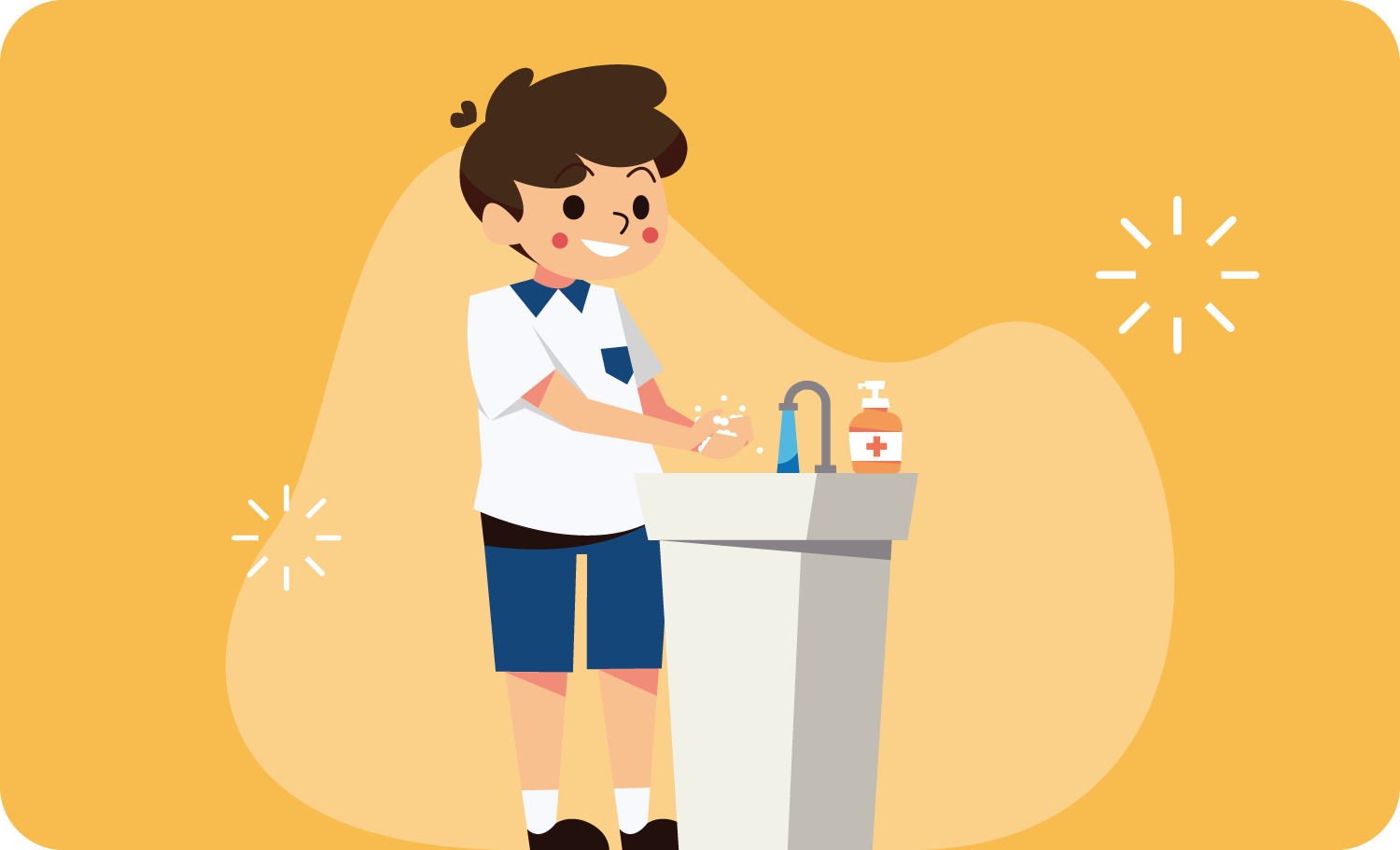
Hand hygiene
Hand hygiene is the easiest and most effective way to prevent the spread of viruses and bacteria.
We ask that you and your child perform hand hygiene on arrival and when leaving the hospital, as well as each time that you enter and exit your child’s room or exam room, and before and after glove use. Remember that gloves do not replace hand hygiene!
For most situations, you can use the alcohol-based hand rub solution. It is highly effective against most viruses and bacteria. However, when your hands are visibly dirty or if your child has diarrhea caused by C. difficile or gastroenteritis, you should wash your hands with soap and water.
Wash your hands with soap and water before and after eating, and after using a restroom. And help your child do the same!
Masks
Mask-wearing: who, where and why
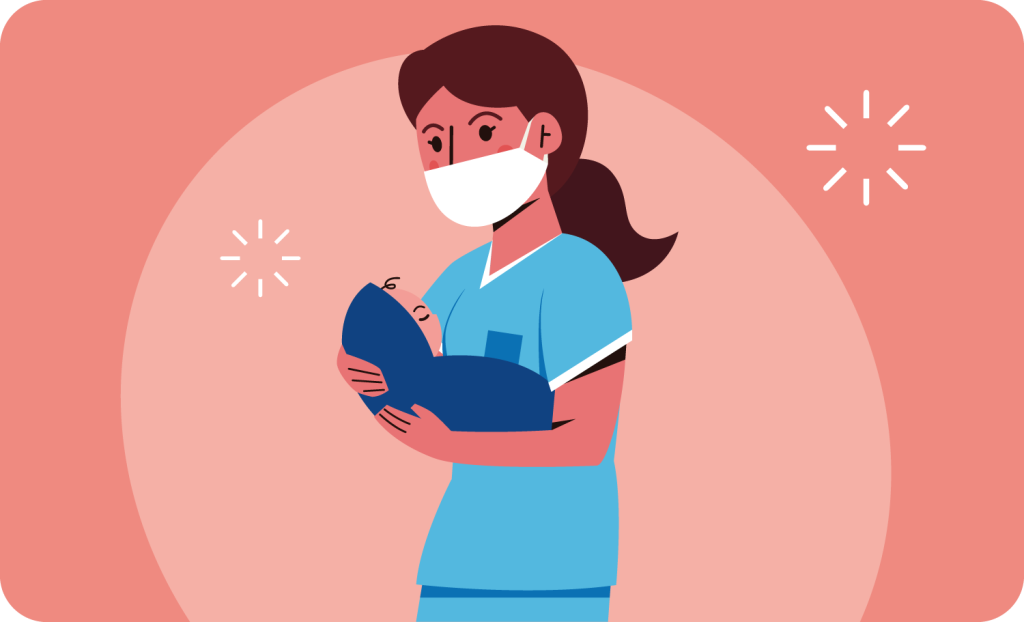
Masks contain respiratory secretions when we talk, cough or sneeze, and they offer protection to the person wearing them from other people’s respiratory secretions.
No mask is required for a child under the age of two years or for anyone who cannot wear a mask. For everyone else, please follow the instructions below:
Without symptoms
A mask is optional but recommended when there is strong circulation of viruses (typically during the winter months) because some viruses can spread even before we feel sick.
We encourage you to wear a mask in common areas and in crowded spaces (for example, in the waiting room of the Emergency Department). A mask is particularly recommended when visiting a patient :
- on the Hematology, Oncology and Transplant Unit (B07 North)
- on the Pediatric Intensive Care Unit (B06 North or B08 North)
- who may get very sick from the flu or even the common cold (for example, a baby in the Neonatal Intensive Care Unit or a newborn in the Birthing Centre)
With symptoms or exposed to measles or chickenpox in the previous three weeks
A mask is required at all times (Except to drink, to eat or to take oral medication).
All common areas of the hospital until in a closed room.
In a closed room, wear a mask:
- when healthcare workers are present.
- if the patient has not yet been exposed to the person who is sick.
Staying away from other people
Another way you can prevent the spread of germs is by staying away from other people. Whenever possible, keep a distance of at least 2 meters (6 feet) from others.
If your child is under additional precautions (look for a sign on or above the room door), stay in the room with your child.
If you must leave for essential reasons (tests, bathroom, meals, or going home):
- Wash your hands.
- Wear a mask if the sign says so (but do not wear gloves or a gown unless instructed).
- Tell your nurse before leaving.
Avoid using common areas (kitchenette, family lounge, cafeteria) whenever possible.
Your care team will give you more details based on your situation. If needed, a nurse from Infection Prevention and Control can answer your questions.
Infection prevention is everyone’s business, and we thank you for doing your part!
Measles: How to keep your family safe from this highly contagious disease
Avoid going to the emergency room (ER) if your child’s condition does not require immediate care
Carbapenemase-Producing Enterobacterales (CPE)