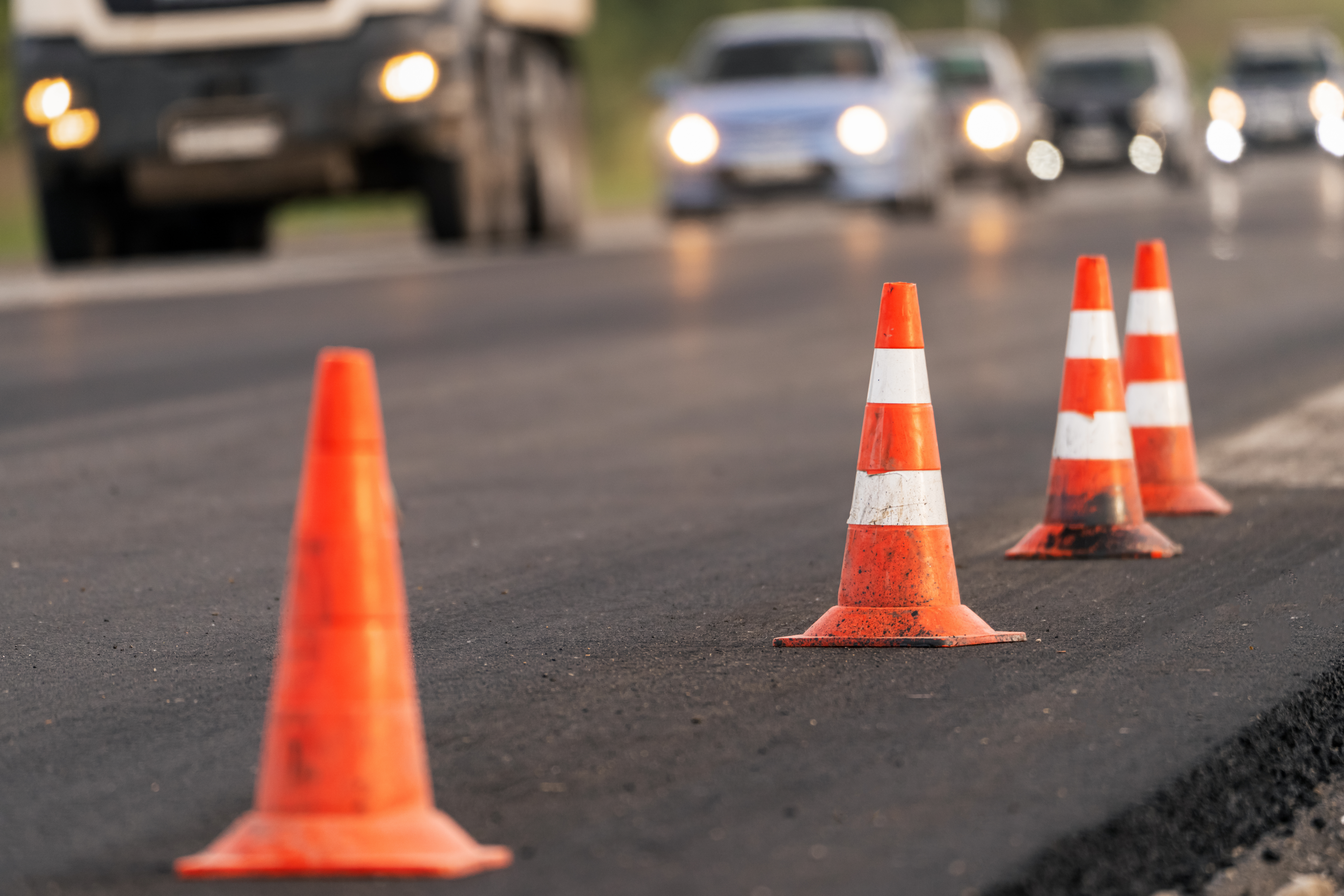
Marathon Beneva: Traffic disruptions
8 October 2026
Special infection prevention measures at the Montreal Children’s Hospital
Read moreWelcome to the Montreal Children's Hospital

21 August 2026
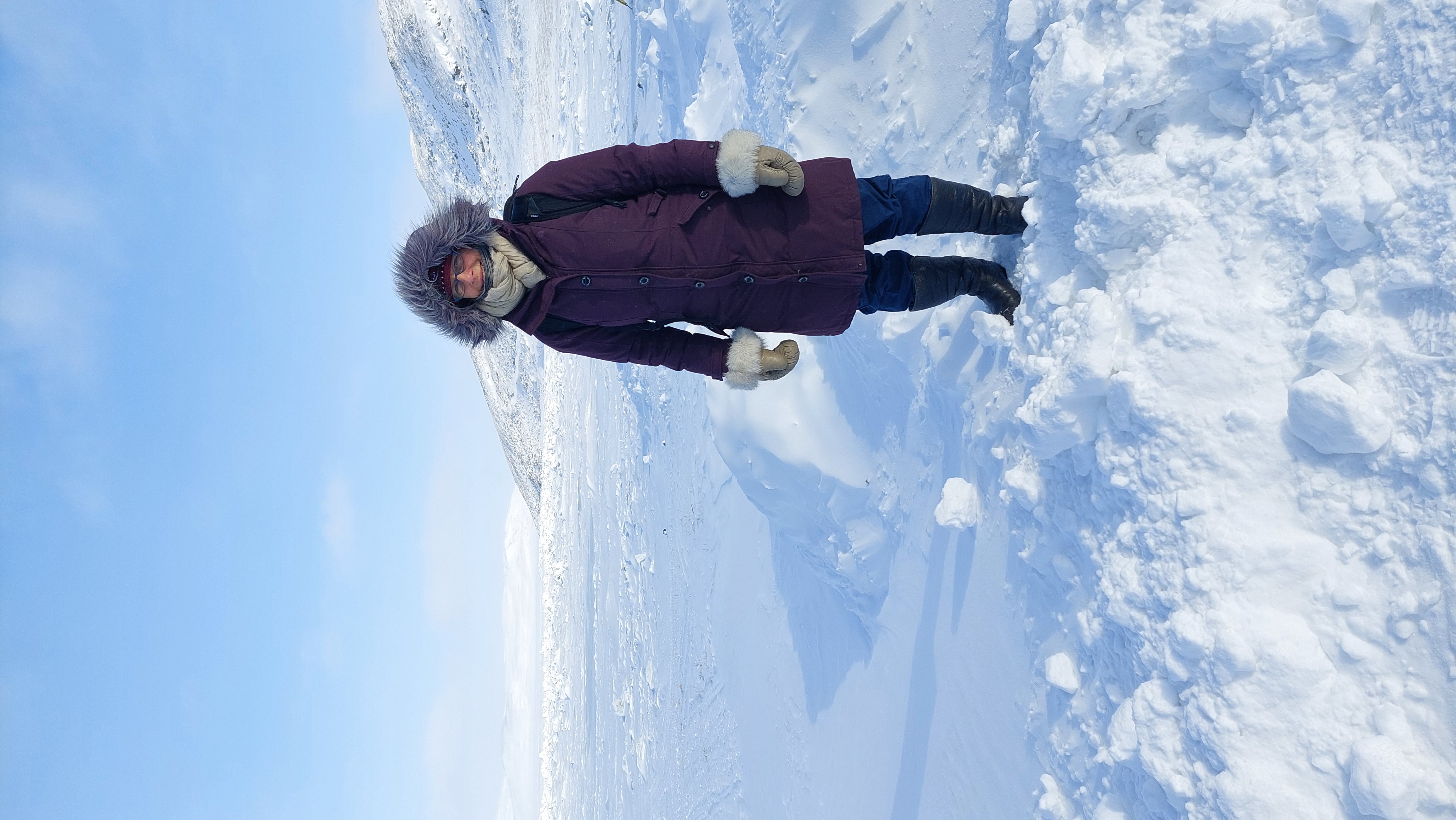
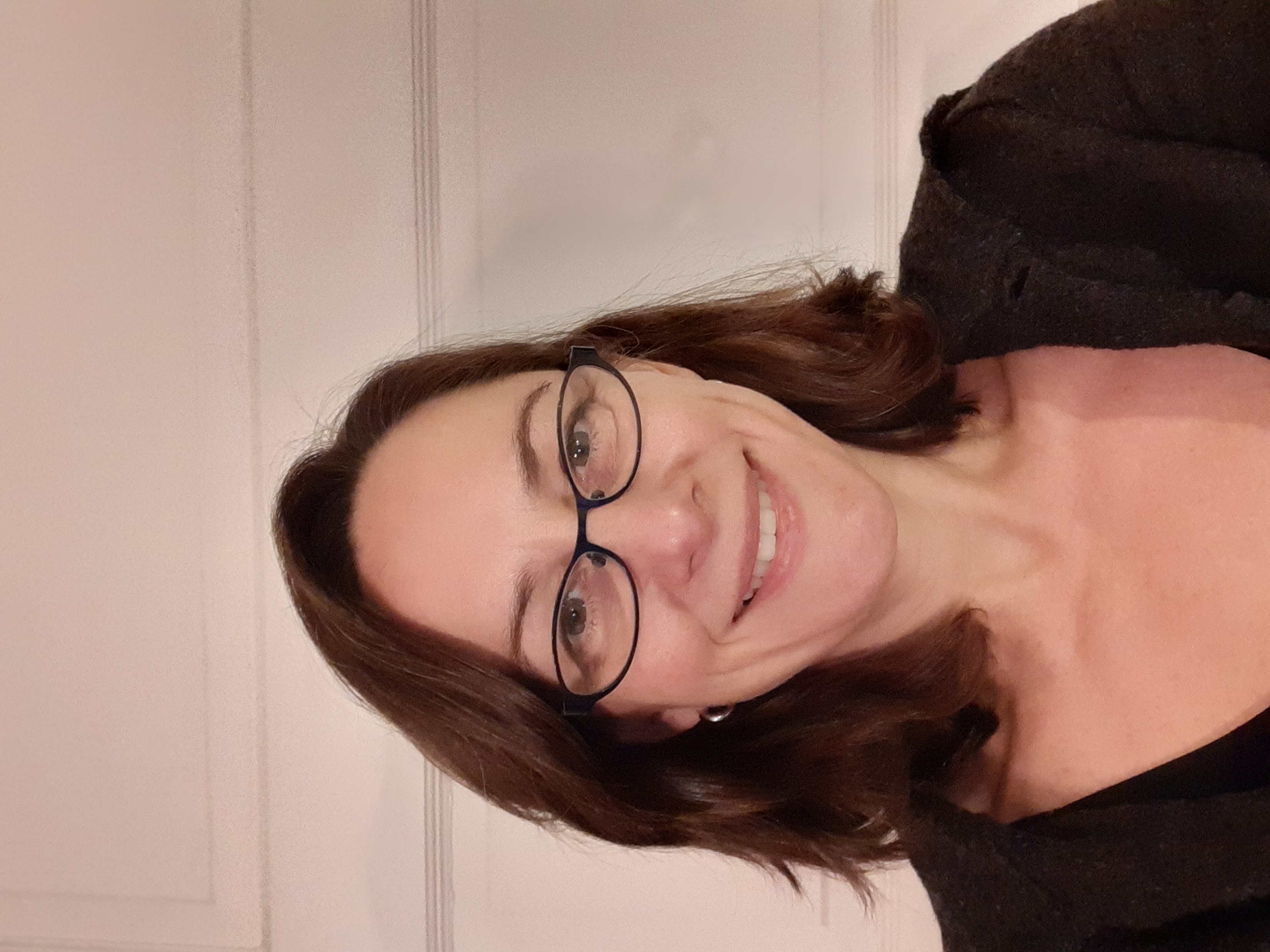
Dr. Lucie Nadeau is a child psychiatrist at the Montreal Children’s Hospital (MCH) specializing in transcultural work and northern health.
At the beginning of her career, Dr. Nadeau worked in the transcultural clinic at the MCH legacy site, which eventually led to doing work in CLSCs in some of Montreal’s multi-ethnic neighbourhoods along with two of her psychiatry colleagues. “For immigrant families and refugees, it’s not always easy to come to the hospital for their child’s care so we moved towards working in proximity to better support them,” she says.
In 2001, Dr. Nadeau began working with Indigenous communities and one of the first projects she was involved in centred on suicide prevention in the Atikamekw community of Wemotaci, which eventually was incorpo-rated into a school project. In 2008, Dr. Nadeau started working in Nunavik as a child psychiatry consultant doing clinical work with families, children and youth in the seven communities of the Hudson Coast.
A community of practice in youth mental health care
“Collaborative care is an important aspect of my career,” says Dr. Nadeau. “I did research on this in Montreal and more recently almost all my research is in Nunavik, with the main project being a community of practice called Atautsikut, an inuktitut word for togetherness.”
The Atautsikut project is a participatory research project whose advisory committee is made up of collaborators and researchers representing the diverse fields and institutions involved in youth and mental health wellness in Nunavik.
The project, launched in 2019, was developed for first-line workers, both Inuit and non-Inuit. “People were asking for more support, but also wanted to know more about mental health and feel more prepared to deal with these issues,” says Dr. Nadeau.
“The idea of our community of practice is to meet to discuss different topics around youth mental health and learn together. As much as possible we go with what the participants want to talk about.” Recent examples include issues around being a mother in Nunavik, travelling south for hospitalization, art and healing, being a young man in Nunavik, anger issues, crisis intervention with youth, trauma and grief.
The distances in Nunavik are great, which means most meetings are virtual. “At any time, our community of practice can include social workers, community workers, school counsellors, nurses, physicians, early childhood workers and other professionals directly involved in clinical practice.” Representatives from Inuit-led, community-based Family Houses in the region also take part.
Artist Mary Paningajak is a commit-tee member who illustrates topics discussed during meetings. “Both images and stories are important as tools within the community of practice,” says Dr. Nadeau. Ms. Paningajak also designed the Atautsikut logo which symbolizes many flowers growing together.
Dr. Nadeau’s research focuses on evaluating the implementation of the community of practice by conducting group and individual interviews with participants and through participatory observation.
Going north for rural rotation
Dr. Nadeau is also responsible for part of the rural rotation that all residents in psychiatry must complete. For 15 years she has coordinated the Northern Track which offers residents the opportunity to do rural rotation in communities in Eeyou Istchee and Nunavik, as well as in Abitibi, either going in person or working via telehealth.
They also hold three half-day sessions a year for residents and their supervisors to discuss a topic on Indigenous mental health and well-being, often inviting Indigenous professionals to speak. “We also open some of these sessions to all psychiatry residents so that residents who haven’t done the Northern Track can learn more about clinical work with Indigenous people.”
Bringing light to indigenous issues
Last year, Dr. Nadeau was invited to speak to a group of judges on the Commission d’examen des troubles mentaux (CETM) of the Tribunal administratif du Québec to help them gain more knowledge on cultural aspects of the people they see. “Unfortunately, there is an over-repre-sentation of Indigenous people in the courts system,” says Dr. Nadeau. The professionals serving on the CETM are mainly lawyers and psychiatrists, and they must evaluate individuals charged with a criminal offence who have been deemed unfit to stand trial or not crimi-nally responsible on account of mental disorder.
Dr. Nadeau always prefers, as much as possible, that Indigenous people lead training on Indigenous issues so she asked Alexandre Bacon, an Innu who is president and founder of the Ashukan Institute, to speak to the group as well.
“We discussed the context of the person’s life, including the colonial context, and how it influences their realities and their feeling of trust,” she says. “And also what we need to know about the individual’s history, and how that may have framed their mental health.” She adds that Mr. Bacon also spoke about unconscious bias and how realizing it can be an important first step towards a better outcome for an individual.
Despite a very busy schedule, Dr. Nadeau is also learning Inuktitut. “It’s quite complex to learn. I will never really be able to converse but it helps me understand more,” she says, adding that it also helps with understanding the way people think. “I use a few words here and there, and I can often guess a little bit what people are talking about. I think it’s appreciated that I make that effort.”
This article was originally written for the Summer 2026 edition of Chez nous magazine.
Marathon Beneva: Traffic disruptions
8 October 2026
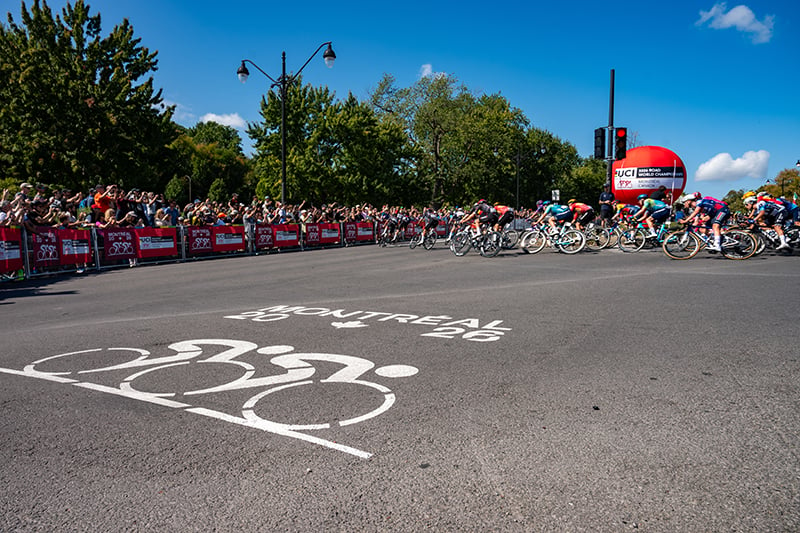
Plan your travel – Major cycling events in September
25 August 2026
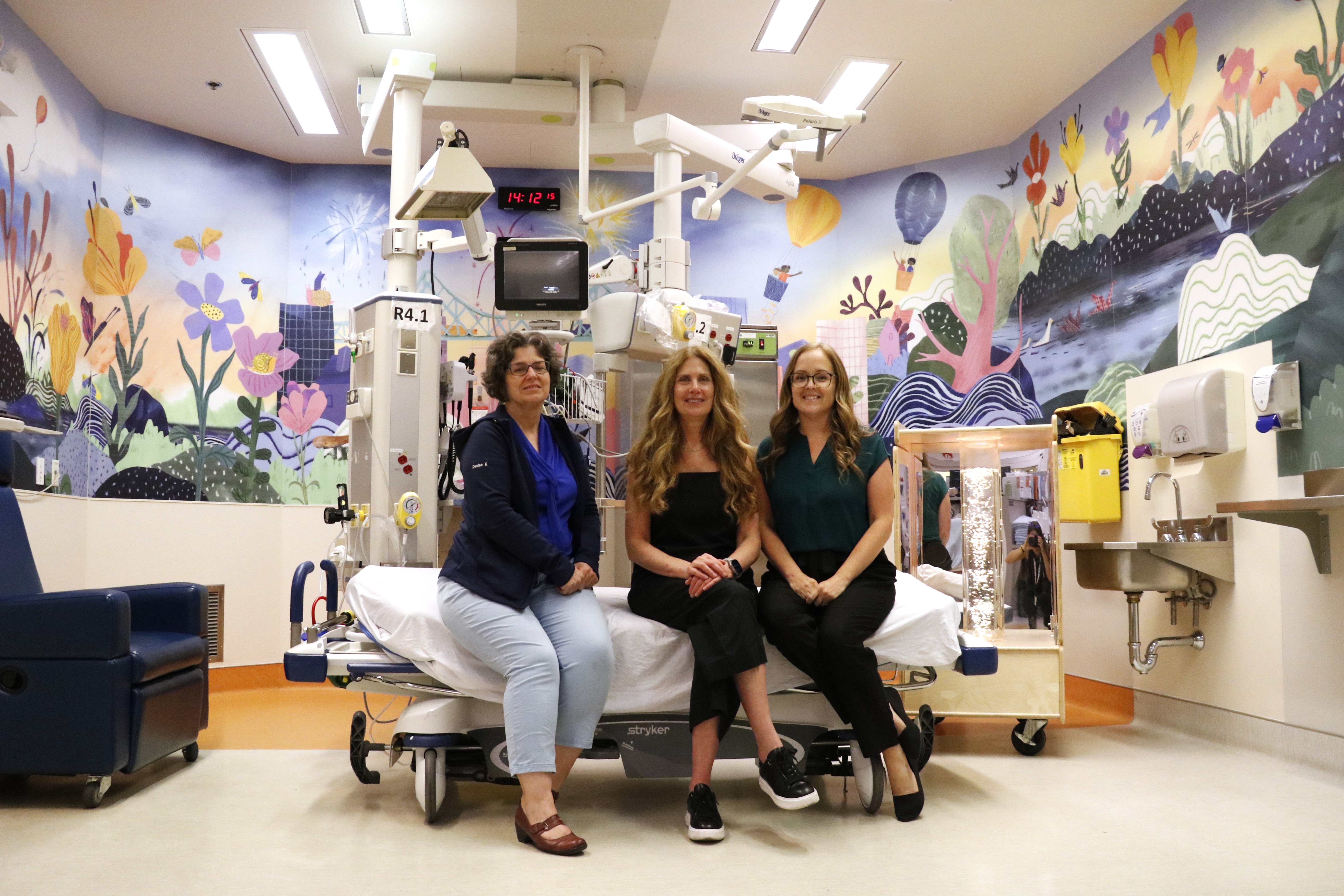
The Distraction Room in the ED
21 August 2026
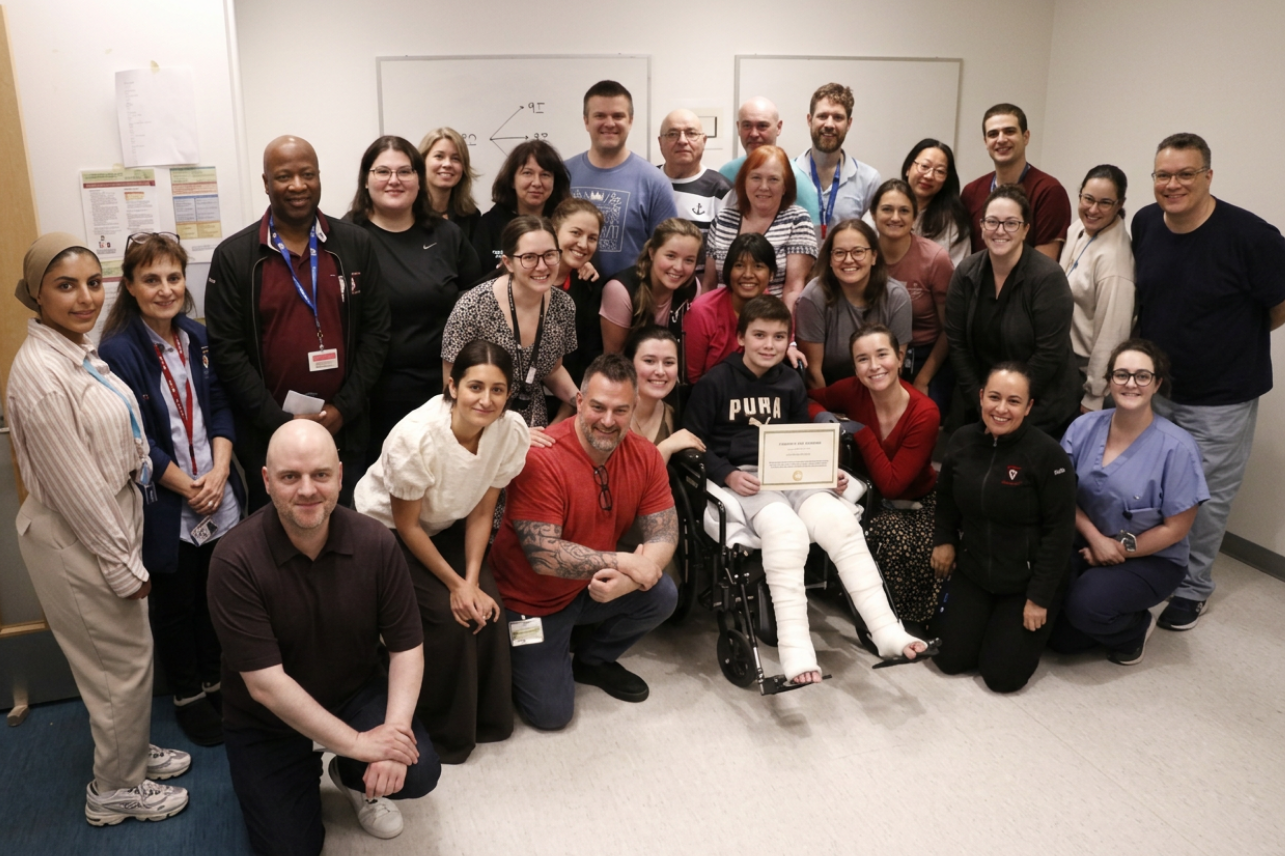
Arnaud: five months of courage, care… and hope
20 August 2026
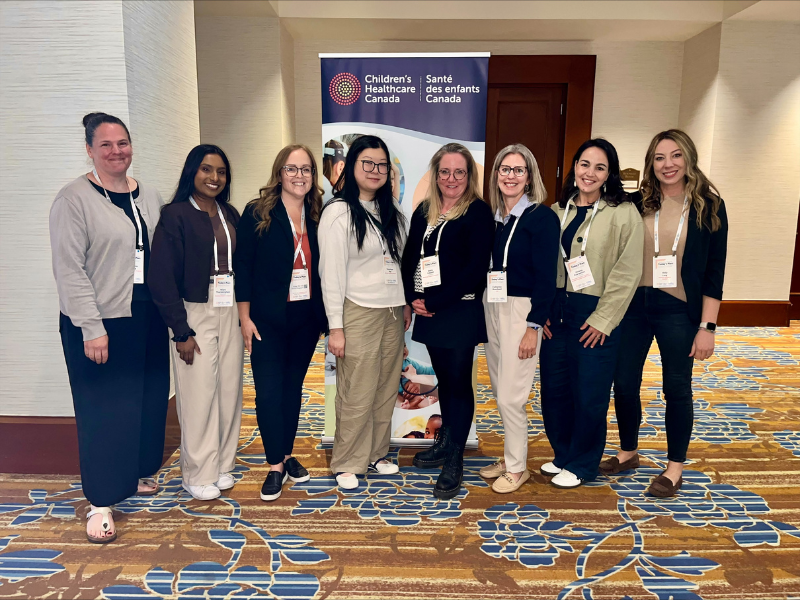
Shaping the future of children’s healthcare together
17 June 2026