

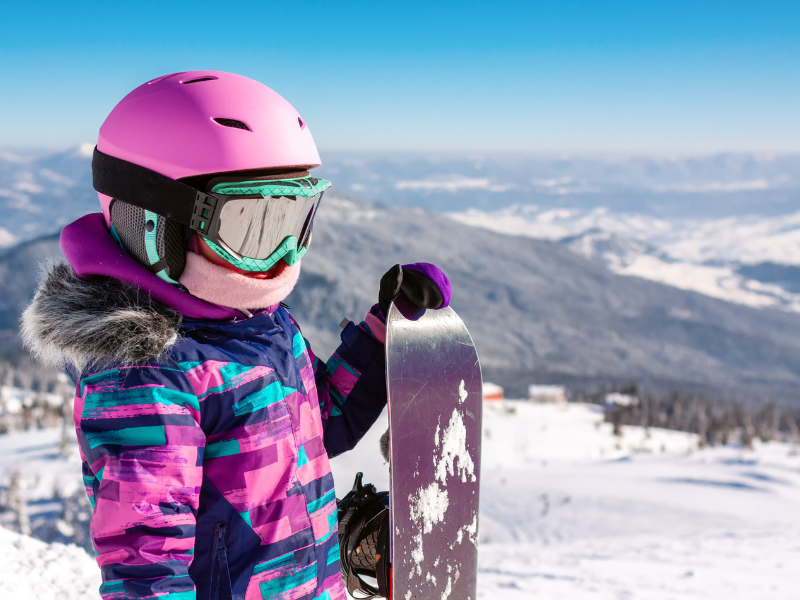
Winter‑related injuries: MCH Trauma Centre issues safety reminder
24 February 2026
As spring break is just around the corner, the Montreal Children’s Hospital (MCH) Trauma Centre is urging families to take precautions to keep children and teens safe while enjoying seasonal activities to avoid winter‑related injuries.
Each winter, the Trauma Centre treats numerous children and teens injured during outdoor play and winter sports. This year is no exception, with sliding sports, icy conditions and cold exposure contributing to preventable injuries.
“Snow can provide endless fun and activity, but without proper precautions, serious injuries can occur,” said Debbie Friedman, Trauma Director at the Montreal Children’s Hospital and Associate Professor of Pediatrics and Pediatric Surgery at McGill University. “Assessing risk and making informed choices is critical to keeping children and teens safe.”
Winter sports safety
Winter sports such as skating, skiing, snowboarding and tobogganing are among the common causes of winter trauma. Since November, the Trauma Centre has treated over 200 such cases.
Families should ensure all equipment is properly sized and well maintained; skates should be sharpened and provide good ankle support, ski bindings should be checked annually. Activities that match a child’s skill level should be chosen and adequate supervision needs to be ensured.
Helmet use
Head trauma remain a major concern across all winter sports. The MCH Trauma Centre strongly recommends certified, properly fitted, sport‑specific helmets for hockey, skiing, snowboarding and tobogganing. Helmets must be replaced after a significant impact, or according to manufacturer guidelines.
Environment and terrain
Selecting the right environment is critical. Choose hills and play areas appropriate to the activity and the child’s ability, and check surface conditions — avoid icy or uneven terrain. Do not use hills that end near roads, parking lots or bodies of water, and never slide down snowbanks into the street. Tobogganing injuries most often occur when children collide with solid objects such as poles, benches, rocks or trees; using municipally groomed hills help reduce those risks.
Snow fort safety
Snow forts and tunnels can collapse and trap children. Build walls only, avoid enclosed structures, supervise play, encourage buddy systems (pairing children during play to look out for each other’s well-being) and keep snow structures away from roadways.
Road and snowplow safety
During and after heavy snowfall, snowplows and large equipment have limited visibility and roadside snowbanks can conceal hazards. Children should stay well clear of roads, snowbanks and snow‑clearing vehicles.
Cold exposure and frostbite
Limit outdoor play when temperatures drop below –25°C. Dress children in loose‑fitting layers, keep them dry and watch for early signs of frostbite such as numbness or skin discolouration. Gently rewarm suspected frostbite and seek medical assessment.
Carbon monoxide safety
Clear snow from vehicles before starting them and never warm a car in an enclosed or poorly ventilated space.
“By working together, parents, children, teens and local municipalities can reduce the number of injuries we see each winter,” said Liane Fransblow, Injury Prevention Coordinator at the Montreal Children’s Hospital Trauma Centre.
With proper preparation and supervision, children can safely enjoy everything winter has to offer.

Warning: Carbon monoxide incidents during icy weather
11 March 2026

Music at the heart of the care journey
10 March 2026



New case-based textbook explores complex pediatric colorectal care
25 February 2026
Celebrating Critical Care Transport Nurses at the MCH
18 February 2026

Psychoeducation: test your knowledge!
18 February 2026

Insightful words from a pediatric psychologist
2 February 2026

Roll up your sleeves! The MUHC blood drive is back!
16 January 2026
This page needs an update? Report it here!