
Marathon Beneva: Traffic disruptions
8 October 2026
Special infection prevention measures at the Montreal Children’s Hospital
Read moreWelcome to the Montreal Children's Hospital


27 April 2026
A new comparative analysis shows a significant increase in RSV-related hospitalizations since the pre-pandemic period, particularly among infants under 6 months of age.
Montreal, April 27, 2026 – Hospitalizations due to respiratory syncytial virus (RSV) more than doubled in 2022–2023 compared to pre-pandemic years. The surge exceeded 5,000 hospitalizations and has strained the capacity of Canadian pediatric hospitals, according to a new study conducted by researchers at the Research Institute of the McGill University Health Centre (The Institute) and the BC Children’s Hospital Research Institute. Infants under 6 months of age, who are particularly at risk of complications, accounted for the majority of intensive care admissions.
RSV is the leading cause of lower respiratory tract infections in children, such as bronchiolitis and pneumonia. More than 75 per cent of pediatric hospitalizations related to RSV occur in children who are otherwise healthy.
This new study, published in CMAJ, compares RSV-related hospitalizations occurring between 2022 and 2023 in thirteen Canadian tertiary pediatric hospitals participating in the Canadian Immunization Active Surveillance Program (IMPACT) of the Canadian Paediatric Society, with those observed during three pre-pandemic seasons, from 2017 to 2019. It reports 5,362 RSV-related hospitalizations during the 2022–2023 season, compared to an annual average of 2,517 for the period from 2017 to 2019. This represents an even higher increase than that observed in 2021–2022, during which 3,170 pediatric hospitalizations were recorded.
“Although the proportion of cases was slightly higher among children aged 2 to 9 in 2022–2023 than in previous seasons, the greatest burden by far remained among infants under six months of age, who accounted for more than 40 per cent of hospitalizations and more than 60 per cent of intensive care admissions,” said Dr. Jesse Papenburg, co-lead author of the study, a pediatric infectious disease specialist at the Montreal Children’s Hospital and a scientist in the Infectious Diseases and Immunity in Global Health Program at The Institute.


“The increases observed may be attributed, in part, to the lifting of public health measures that had been put in place during the pandemic. These measures delayed normal exposure to RSV, and as a result, many children contracted their first infection with the virus only after their second year of life, when social activities resumed,” explains Aariana Lopes, first author of the study and a student at McGill University’s School of Population and Global Health.
Nearly a quarter (24%) of hospitalizations required admission to the intensive care unit in 2022–2023, a proportion similar to that of previous years.
In 2022–2023, the peak in RSV-related hospitalizations occurred earlier and was higher than in previous seasons, and viral activity varied from one province and territory to another. For example, in Quebec and Ontario, the peak occurred in November, whereas in Saskatchewan, it occurred in January.
“The regional and national data collected as part of this study will help guide seasonal RSV prevention strategies, with the aim of reducing the risk of severe RSV-related illness among Canadian children and easing the burden on the healthcare system,” notes Dr. Papenburg, who is also Chair of the Comité sur l’immunisation du Québec (CIQ) and an Associate Professor in the Department of Pediatrics at McGill University.
New tools for preventing RSV are now available in Canada. They include long-acting monoclonal antibodies (lab-made proteins that provide temporary protection against infection) and a vaccine given during pregnancy to protect babies in their first months of life. The implementation of these measures varies across provinces and territories.
“Every year, RSV causes thousands of children across the country to become seriously ill. Given the high number of hospitalizations, families should be encouraged to take advantage of the preventive measures available in their area,” says Dr. Papenburg.
The study Changes in Pediatric Respiratory Syncytial Virus Hospitalizations after the COVID-19 Pandemic, 2022-2023, Canada : An Active Surveillance Study was conducted by Aariana Lopes, Joanne Embree, Taj Jadavji, Kescha Kazmi, Joanne M. Langley, Marc H. Lebel, Nicole Le Saux, Dorothy Moore, Shaun K. Morris, Jeffrey M. Pernica, Joan Robinson, Manish Sadarangani, Hennady P. Shulha , Julie A. Bettinger, Jesse Papenburg and the IMPACT investigators.
DOI: doi.org/10.1503/cmaj.251369
Evelyne Dufresne
Information Officer
McGill University Health Centre (MUHC)
[email protected]
Marathon Beneva: Traffic disruptions
8 October 2026

Plan your travel – Major cycling events in September
25 August 2026

Building collaborative care in northern communities
21 August 2026
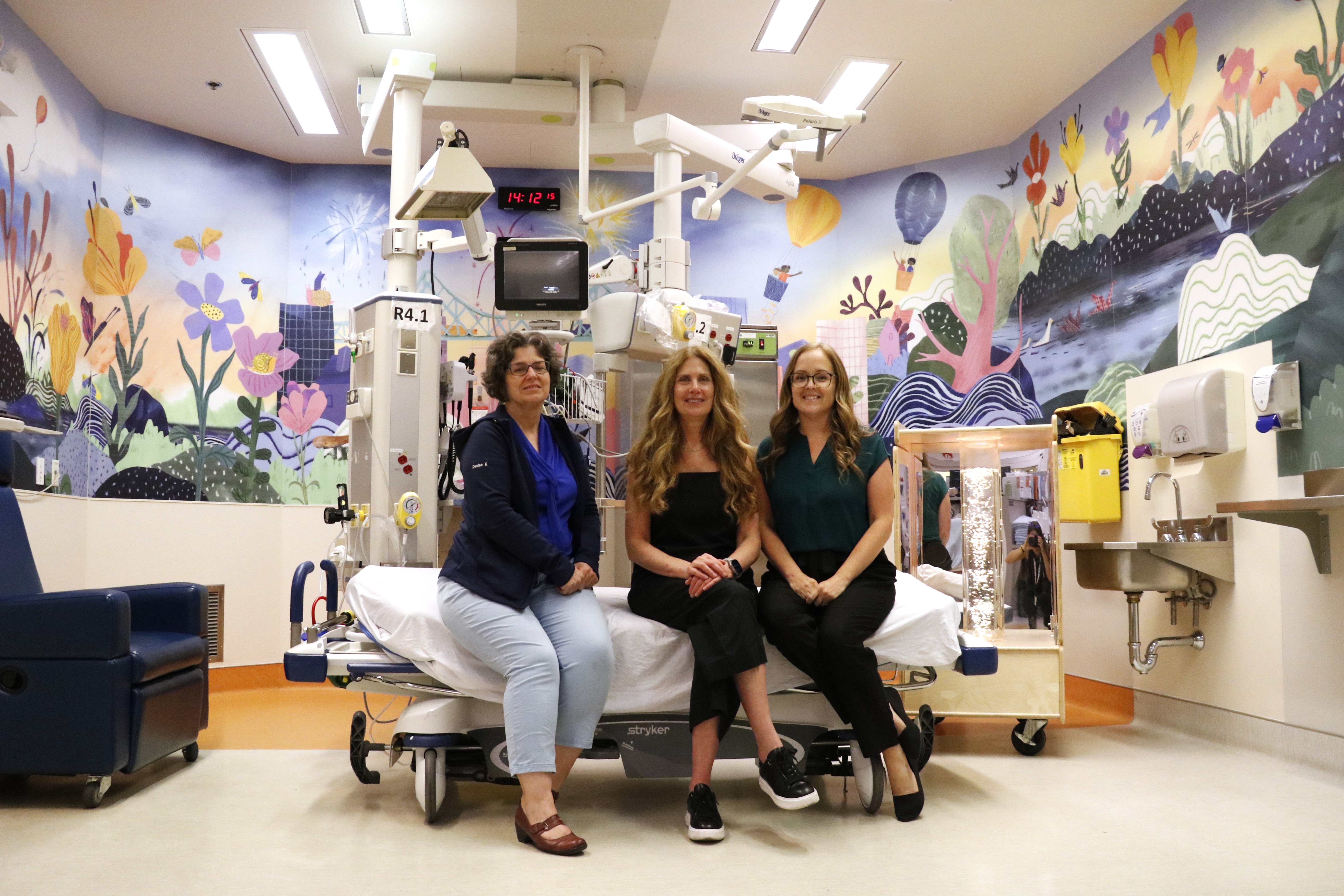
The Distraction Room in the ED
21 August 2026

Arnaud: five months of courage, care… and hope
20 August 2026


Shaping the future of children’s healthcare together
17 June 2026