Plan your travel – Major cycling events in September
25 August 2026
Special infection prevention measures at the Montreal Children’s Hospital
Read morePlan your travel. Major cycling events in September.
Read more.Welcome to the Montreal Children's Hospital


8 July 2026
First internationally validated risk classification system for pediatric appendicitis could transform care for children worldwide
SOURCE: The Institute (Research Institute of the McGill University Health Centre)
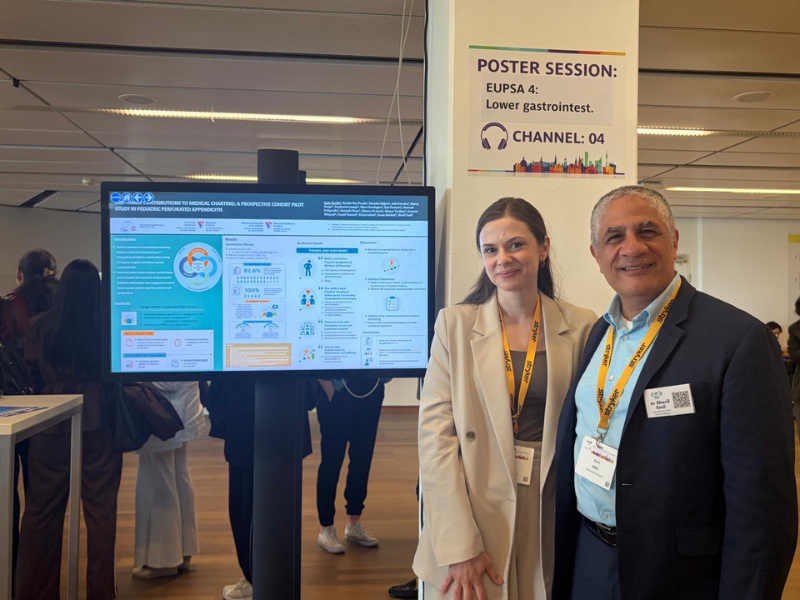
A team of pediatric surgeons led by Sherif Emil, MDCM, FRCSC, FACS, FAAP, Investigator at The Institute’s Child Health and Human Development Program, has demonstrated for the first time that a new risk classification system for pediatric appendicitis can be reliably assigned by surgeons and trainees in diverse practice settings around the world. The study, published in Annals of Surgery Open, was conducted by the Canadian Consortium for Research in Pediatric Surgery (CanCORPS) with partners across 29 institutions in 8 countries on 6 continents.
A disease in need of a common language
Appendicitis is the most common acute surgical illness in children and the leading cause of urgent surgery in pediatric patients worldwide. Despite decades of research and publications, it has long been treated and reported as a simple binary condition— either “simple” or “complicated” — masking a wide spectrum of severity and fueling significant variability in care and outcomes across institutions. No universally accepted risk classification system has ever existed for pediatric appendicitis.
The Pediatric Appendicitis Grade
The Pediatric Appendicitis Grade (PAG) is a five-level risk stratification scheme assigned by the surgeon at the time of laparoscopic appendectomy, ranging from acute appendicitis without perforation (PAG 1) to perforation with abscess and generalized peritonitis (PAG 5). It was developed by CanCORPS based on a previous prospective study led by Dr. Emil and published in 2018. To test its reliability, first author Etienne St-Louis, MD, and Dr. Emil recorded dozens of laparoscopic appendectomy videos, edited the best 15 (three per PAG level), and asked attending surgeons and trainees at all 29 participating institutions to assign a grade to each case.
Of 274 eligible participants, 121 (44%) completed the study. Cases were correctly graded 71% of the time overall, with PAG 1 identified correctly in 97% of cases and generalized peritonitis — the most critical outcome determinant — recognized with 95% accuracy. The intraclass correlation coefficient was 0.81, indicating excellent inter-rater reliability, with no significant differences between attendings and trainees or between high- and low-volume centres.
Thirty-five years in the making
This study is the culmination of work begun at the MCH in 1990, aimed at improving outcomes for pediatric appendicitis and identifying best practices. Earlier publications established that appendicitis outcomes correlate strongly with operative findings, but a 2025 systematic review confirmed that no risk stratification scheme had ever been validated outside its institution of origin. The current study is the first international validation of such a scheme.
“This is not just a research tool,” said Dr. Emil. “It has real, immediate implications for thousands of children around the world.”
Next steps include multicenter validation of outcomes, correlation of the PAG with healthcare costs and integration of the PAG into routine surgical practice globally. An instructional video on how to assign the PAG is freely accessible online.
About the study
St-Louis E, Piché N, Yousef Y, et al. Inter-Rater Reliability of Assigning a Pediatric Appendicitis Grade: An International Multicenter Study by the Canadian Consortium for Research in Pediatric Surgery (CanCORPS). Annals of Surgery Open 7(2):p e657, June 2026.
DOI: 10.1097/AS9.0000000000000657
Plan your travel – Major cycling events in September
25 August 2026

Building collaborative care in northern communities
21 August 2026
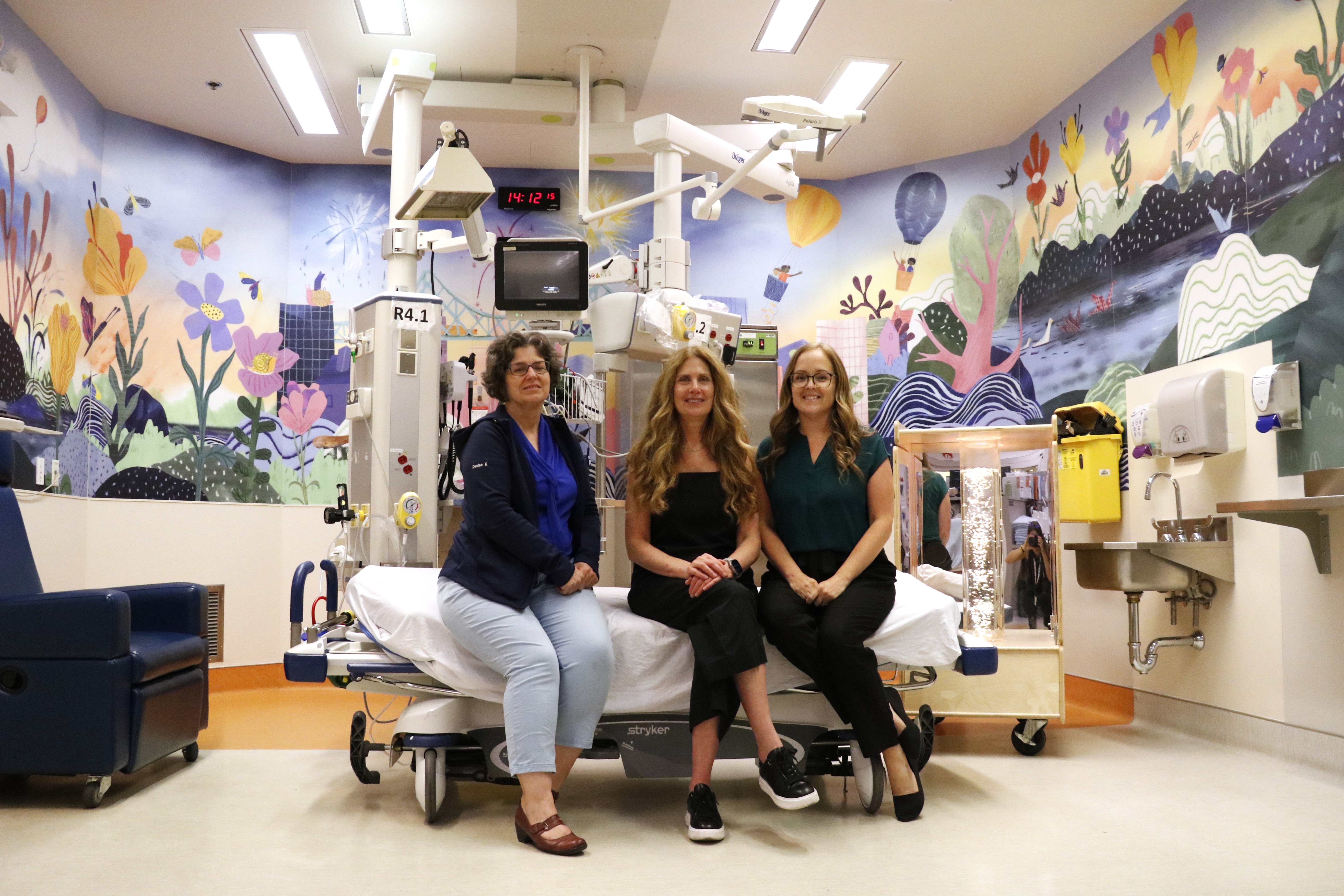
The Distraction Room in the ED
21 August 2026

Arnaud: five months of courage, care… and hope
20 August 2026
Shaping the future of children’s healthcare together
17 June 2026